
How to Handle Unauthorized Occupants in a Sacramento Rental

Can you change the locks if someone is living in your Sacramento rental without permission? Don’t use a lockout to force someone out: California Civil Code section 789.3 bars landlords trying to end a tenancy from blocking a tenant’s reasonable access. Knowing how to handle an unauthorized occupant in a Sacramento rental starts with confirming whether the person is a guest or may have become a tenant, then responding through the lease and lawful notice process.
It’s understandable to want to act quickly when an unapproved occupant appears to be living in your property. But a rushed response can create more problems, especially when the person’s status or the lease terms are unclear.
This guide explains how to distinguish a guest from a possible occupant, document concerns without improper entry, and identify relevant lease-enforcement steps. It also covers why prompt, consistent action matters and how property management can help keep the process organized.
Table of Contents
How long can a guest stay in a rental before they are an unauthorized occupant?
California has no fixed legal number of guest nights that automatically makes someone a tenant. Sacramento-area landlords and tenants can seek help from local legal-aid organizations or housing-assistance programs about rental and landlord-tenant issues.
How a Property Manager Reviews Lease Occupancy Limits and Guest PoliciesStart by reading the signed lease, addenda, and any written changes together. Identify who is named as a tenant, what the occupancy clause restricts, and whether the guest policy sets a night limit. Some California leases use 14 nights per period as a threshold, but that is a lease term, not a statewide legal cutoff.Check whether the policy counts consecutive nights or total guest nights across 12 months. Compare the wording with the dates in the tenancy record before treating a visit as a breach. Apply the same terms consistently, and don’t treat a minor child of a named tenant as an unauthorized occupant. The U.S. Department of Housing and Urban Development identifies familial status as protected under the federal Fair Housing Act.According to California State Legislature, after all tenants have continuously and lawfully occupied the property for 12 months, or at least one tenant has done so for 24 months, a landlord must state the cause in a termination notice.
How a Property Manager Identifies Signs a Guest Is Living in the RentalLook for a pattern of residence rather than relying on a single visit. Record repeated overnight stays, regular presence at the property, mail delivered to the rental, belongings kept inside, or the guest’s name on a utility account. A court may weigh these factors when distinguishing a guest from a tenant, but no single factor settles the question.Compare each sign with the lease and the tenant’s explanation. A frequent guest who keeps another home may present a different pattern from someone whose belongings, mail, and daily routine center on the rental. A caregiver or temporary safe occupant connected with domestic violence may have legal protections, so assess the facts without assuming a lease violation.Keep the review focused on occupancy and lease compliance, not a person’s identity or family status. This helps avoid treating protected characteristics as evidence. Screening applies when approving applicants; it does not replace a careful review of an existing tenant’s lease and circumstances.
How a Property Manager Distinguishes Guests, Occupants, Subtenants, and SquattersDescribe the arrangement accurately before deciding what action fits. A guest visits with a tenant’s permission. An unauthorized occupant may be living in the unit without the landlord’s approval or a required lease addition. A subtenant typically occupies under an arrangement with the tenant, while “squatter” is a label that does not establish a person’s legal status by itself.Check who invited the person, how they use the unit, whether rent or other consideration changes hands, and what the lease says about subletting. California courts may consider the length and regularity of overnight stays, mail, belongings, and utility accounts. Together, these details can help distinguish a visit from residence.Don’t assume a guest can be removed just because the lease names someone else. A minor child of a named tenant is not an unauthorized occupant under California tenancy protections. When the facts suggest a longer-term arrangement, document the distinction and follow the applicable lease-enforcement process rather than relying on labels.
Written inquiries, cure options, and lease-violation notices
Use written communication to identify the alleged violation and give the tenant a clear way to address it. Any notice must match the lease and California’s requirements before an eviction case moves forward.
How a Property Manager Offers an Opportunity to Correct the ViolationStart with a neutral written inquiry to the named tenant. Identify the suspected occupant and the lease term involved. Ask whether the person has permission to stay or an agreement with the tenant. Keep the inquiry factual, dated, and free of assumptions about the person’s circumstances.If the facts support a lease violation, explain how the tenant can cure it. In the process described here, curing unauthorized occupancy means having the occupant leave. The tenant may also explain that the person is authorized or has a protected reason to stay. Keep the reply with the lease and relevant communications.Don’t treat silence as proof that a violation occurred. Match the next step to the lease language and available evidence. A written record clarifies what the tenant was told, how they responded, and whether the issue was resolved.
How a Property Manager Reviews Applicable Notice RequirementsBefore serving a notice, identify the lease clause and the legal process that applies to the rental. A California 3-Day Notice to Perform Covenant or Quit must provide a real opportunity to cure the alleged lease violation, according to California Legislature.State the conduct at issue clearly and describe what action would correct it. Avoid vague wording that leaves the tenant unsure whether the occupant must leave or another step is acceptable. A notice that does not provide a genuine chance to comply can undermine enforcement.For a curable violation, allow the tenant the full period stated in the notice. If the tenant corrects the issue, document the resolution. If the tenant does not cure, an unlawful-detainer case may be available based on the lease violation. Don’t use a notice as a substitute for a lawful court process.
How a Property Manager Checks for Notice Defects and Tenant ProtectionsReview each notice against the lease, the alleged facts, and applicable protections before service. Check the tenant’s name, rental address, lease provision, described conduct, cure instructions, dates, and service record. A mismatch or unclear demand can create a defense and delay an eviction. Don’t assume a form is valid simply because it is titled “3-Day Notice.”Protections can depend on the unit and tenancy. For units covered by AB 1482, unauthorized occupancy may be treated as a breach of a material term under CC § 1946.2(b)(1)(B); curable violations require written notice and an opportunity to cure first. Applicable rent-control or just-cause rules may also affect termination.For Sacramento County, court filing fees depend on the filing and applicable fee schedule, so there is no single total for every case. Evictions can take 30 to 45 days or more, according to the Judicial Branch of California. Organized property management support can help keep lease notices and records in order.
Documenting suspected unauthorized occupants lawfully
A property manager can document observed activity, keep dated written communications, and compare the record with the lease. California’s entry-notice rules still apply: don’t enter a rental unit to investigate without following them.
Start a dated incident log for each observation. Record the date, time, location, what you observed, and who witnessed it. Separate direct observations from assumptions: “person entered carrying bags” is more precise than “person lives here.” This helps assess whether the activity suggests ongoing residence or a short visit.
Keep written communication with the tenant in one organized file. Save the original inquiry, delivery details, replies, and follow-up messages with their dates. Ask neutral questions about whether the person has permission to stay and whether the tenant considers them a guest. Record the response accurately without adding conclusions the tenant didn’t make.
Follow California entry requirements before scheduling an inspection. Don’t enter the unit to look for another person unless you meet the required notice and entry rules. During a properly arranged inspection, record only relevant observations, such as belongings in shared spaces or another person’s apparent use of the unit. Keep the record factual and tied to the inspection’s purpose.
After a notice expires, document whether the suspected occupant remains. Record dates and times the person is seen at the property, and preserve photographs taken after expiration when they lawfully capture relevant evidence. A police report may also be relevant if it records the person giving the rental address as their own. Store each item with its date and context.
Keep evidence organized for review, not just collected. If apartment-community employees observed the person still living there after notice expiration, record what each employee personally saw. Employees may testify and present that evidence to a judge. Preserve any relevant 24-hour video-surveillance records, along with the observation log and tenant communications.
Organize records into separate folders for the lease, written notices, observations, and inspection records. Label photographs with their capture dates and keep the original files unchanged. A clear chronology shows what happened before and after notice. Careful entry practices protect tenant privacy and keep evidence tied to lawful property management.
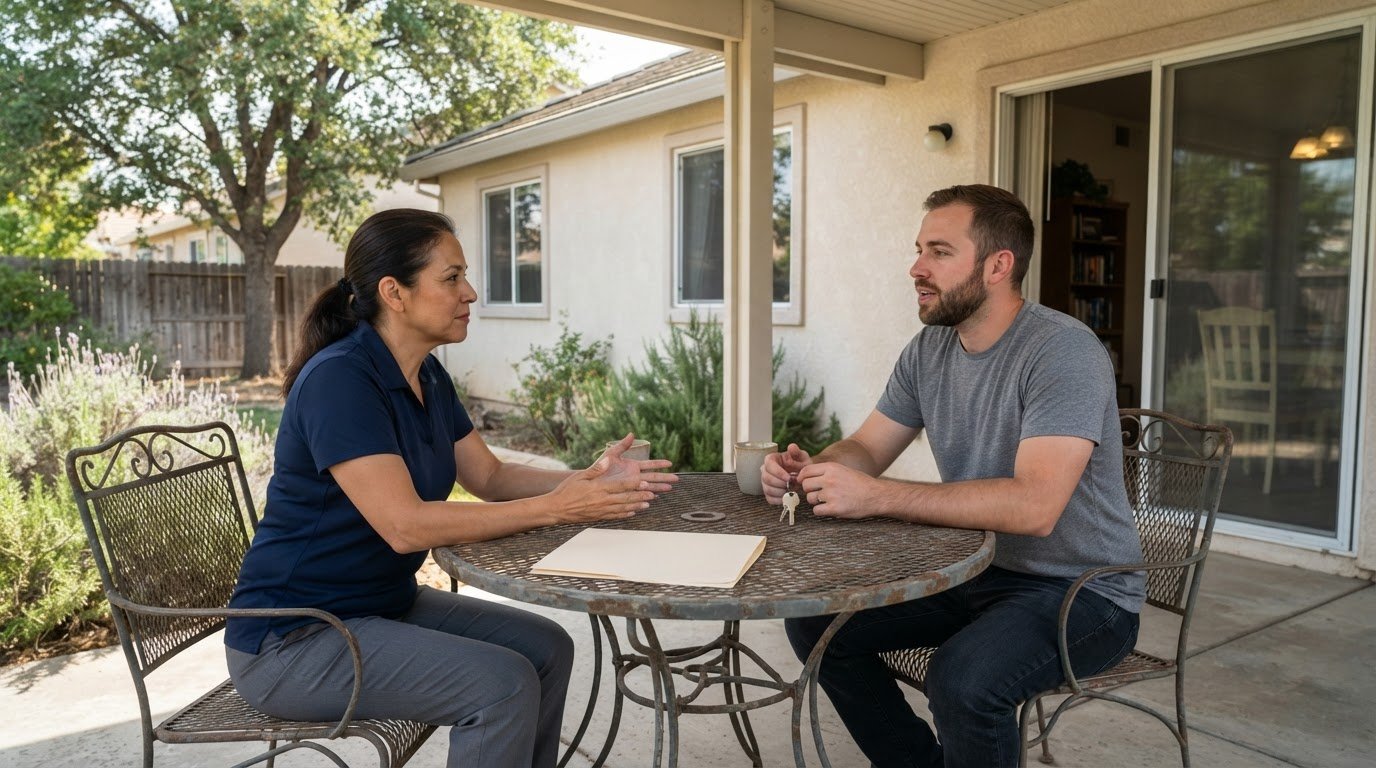
Anti-subletting clause enforceability
Review the signed lease alongside the landlord’s conduct. A clause alone may not establish whether an alleged sublet violated the agreement.
Read the exact subletting and assignment language before alleging a violation. Identify whether the tenant needed written permission, whether the clause addresses added occupants, and what approval process it describes. Keep the signed lease and any addenda together. A clause requiring prior written consent raises a different question from one that prohibits subletting outright.
Compare the arrangement with the clause’s wording. Determine whether the tenant transferred possession, accepted payment, or simply hosted a guest. These details help distinguish a sublet from ordinary visits. Don’t rely on labels: calling someone a “roommate” or “subtenant” doesn’t establish what the tenant and occupant agreed to.
Gather the approval record before deciding how to proceed. Search for written permission, tenant requests, email exchanges, portal messages, and earlier responses about the same occupant. If the landlord approved an arrangement, preserve the approval and its limits. Permission for a temporary guest, for example, may not cover a later agreement to rent a room.
Review the landlord’s actions after learning about the occupant. Knowledge of an occupant or sublet arrangement followed by accepting rent without objection may support a waiver defense. Record when the landlord learned of the arrangement, what rent was accepted afterward, and whether a written objection was sent. A dated timeline helps show whether conduct and lease language align.
Apply the clause consistently and tie the decision to the agreement. Compare the current facts with similar documented situations, without making assumptions based on identity or family status. If the tenant asks to authorize the occupant, record the request and response in writing. Clear documentation can protect the housing relationship and the property’s occupancy rules.
Review the lease, approval history, and rent records before choosing the next step. If the evidence suggests a violation, explain the specific clause and concern to the tenant. An anti-subletting clause does not authorize removing someone without following the applicable process. A measured response helps prevent inconsistent enforcement and clarify whether the issue calls for correction or further review.
How a Property Manager Responds Promptly to an Unauthorized Occupant
Act promptly when the facts suggest someone may be living in the rental. In California, delay can strengthen an occupant’s claim to remain, so define the concern and choose a lawful next step without resorting to a lockout.
Open a case record as soon as a concern is reported. Note when it arose, which lease term may apply, and who supplied the information. Separate confirmed facts from unanswered questions. A tenant’s report of a new roommate, for example, differs from repeated observations of someone using the unit as their home.
Review the lease and current tenancy before making a demand. Identify the named tenants, guest rules, subletting terms, and any written permission already granted. Compare those terms with the suspected occupant’s apparent arrangement. This helps determine whether the issue involves a visitor, an unapproved resident, or a possible sublet.
Contact the named tenant promptly and neutrally. Describe the specific concern and ask for an explanation instead of declaring the occupant unauthorized before reviewing the facts. The tenant may say the person is visiting, has permission, or needs an accommodation. Record the answer and assess it alongside the lease and relevant protections.
Choose a response that fits the confirmed facts. If the lease violation is curable, use the appropriate written notice and give the tenant the required opportunity to correct it. The correction may involve the occupant leaving or another resolution consistent with the lease. If the tenant disputes the issue, assess the response before moving toward eviction.
Keep the process moving without using pressure or self-help. California Civil Code section 789.3 bars landlords ending a tenancy from blocking reasonable access, willfully interrupting specified utility services, or removing belongings outside lawful procedures. Don’t change locks, shut off utilities, or move a person’s property to force departure. Use the legal notice and court process instead.
Set a clear follow-up point after each communication or notice. Check whether the tenant corrected the issue, provided relevant information, or left the concern unresolved. A longer unchallenged residence can strengthen an implied-tenancy argument, so don’t let a confirmed issue go unreviewed. Keep decisions consistent, documented, and tied to lease terms.
For ongoing oversight of lease issues and rental operations, get property management support that keeps the response organized and timely.
Home Showings Property Management: Rental Marketing
Home Showings Property Management helps rental owners in Sacramento and nearby communities manage the next stage after an occupancy concern. If a rental needs a new tenant, Rental Marketing and Tenant Screening support the leasing process. For ongoing oversight, Rental Property Management and Rent Collection help organize essential rental operations.
These services suit owners seeking support with marketing a vacancy, screening prospective tenants, or managing an occupied rental. They complement a careful, lawful approach to lease concerns by helping owners maintain clear processes and consistent tenancy management.
Contact Home Showings Property Management to discuss your rental management needs.
Build a More Consistent Rental Process
Use this moment to strengthen how you manage future tenancies. Clear records and consistent lease practices help you assess concerns early. Handling unauthorized occupants in Sacramento rental housing also calls for organized systems across the broader rental cycle.
Home Showings Property Management offers Property Management, Rental Marketing, and Tenant Screening. These services can support owners who need help overseeing rentals, advertising vacancies, or reviewing prospective tenants. If you’re refining how to handle unauthorized occupants in Sacramento rental operations, consider how a consistent approach to leasing and management can support your next steps.
Contact Home Showings Property Management to discuss your rental needs and take a considered step toward more organized management.
Frequently Asked Questions
Can I change the locks if someone is living in my rental without permission?
No. California Civil Code section 789.3 bars landlords from blocking a tenant’s reasonable access to end a tenancy. Changing locks to exclude a tenant or occupant can create legal problems, even if the person wasn’t approved. Don’t remove belongings or interrupt specified utility services, either. Use the applicable notice and court process to address the lease issue, rather than trying to force someone out yourself.
Can the new occupant just be added to the lease?
Not automatically. Adding an occupant requires a legal agreement and the tenant’s cooperation. The landlord and tenant can discuss a written lease change that identifies the added resident and clarifies applicable terms. Until they reach an agreement, don’t assume that accepting rent from the person alone makes them an approved tenant. Keep any request, decision, and agreed changes in writing so everyone understands the arrangement.
What is the difference between a squatter and an unauthorized occupant?
An unauthorized occupant is generally someone living in a rental without the approval required by the lease. A squatter is commonly understood as someone occupying property without the owner’s or tenant’s permission. Neither label settles legal status or determines how someone can be removed. A person invited by a tenant, for example, may raise a different issue from someone who entered without anyone’s consent.
What counts as an unauthorized occupant under California landlord-tenant law?
California has no statutory bright line that makes a guest a tenant after a set number of nights. The lease and circumstances matter. Courts may consider the length and regularity of overnight stays, mail sent to the rental, belongings kept there, and utility accounts. A minor child of a named tenant isn’t an unauthorized occupant under the tenancy protections described in this article.
Can a Sacramento landlord require approval for additional occupants or guests?
A lease can set occupancy terms and require approval for additional residents, subject to applicable legal protections. Apply those rules consistently and don’t use them to discriminate based on protected characteristics. A request involving a caregiver or a temporary safe occupant after domestic violence may raise separate protections. Review the lease and the person’s circumstances before treating a new resident as unauthorized.
What does a Sacramento lease typically say about unauthorized occupants and guest limits?
Lease terms vary, but some California rental leases use a threshold of 14 nights per period before a guest may be treated as unauthorized. A written policy may also set a maximum number of total guest nights in a 12-month period. These are lease limits, not a statewide rule that automatically turns every guest into a tenant. Read the specific clause and how it counts nights.
What notice must a Sacramento landlord give to address an unauthorized occupant?
For a curable lease violation, a landlord may use a California 3-Day Notice to Perform Covenant or Quit. The notice should identify the alleged violation and provide a genuine chance to correct it. The appropriate notice depends on the lease, the facts, and applicable tenant protections. A notice that doesn’t clearly explain what must be corrected can complicate a later eviction case.
How long does a tenant have to correct an unauthorized-occupant lease violation in California?
A California 3-Day Notice to Perform Covenant or Quit must give the tenant 3 days to cure the alleged violation, according to California Legislature. For unauthorized occupancy, the described cure is having the occupant leave. The notice must provide a real opportunity to comply, rather than just state a deadline. If the tenant doesn’t cure, the landlord may pursue an unlawful-detainer case based on the lease violation.

Comments