
Folsom landlord guide to avoiding lawsuits and limiting liability

Property owners can remain personally liable for legal violations even when a management company handles day-to-day responsibilities.
It’s understandable to worry about fair housing rules, changing California laws, repairs, tenant disputes, and the cost of getting something wrong. This guide covers practical ways to reduce risk, from maintaining habitable homes and keeping clear records to using fair, consistent screening and following proper procedures when ending a tenancy. You’ll also see where careful property oversight can help, and which situations call for legal advice rather than a management fix.
Table of Contents
1. Can I be held personally liable for property management mistakes?
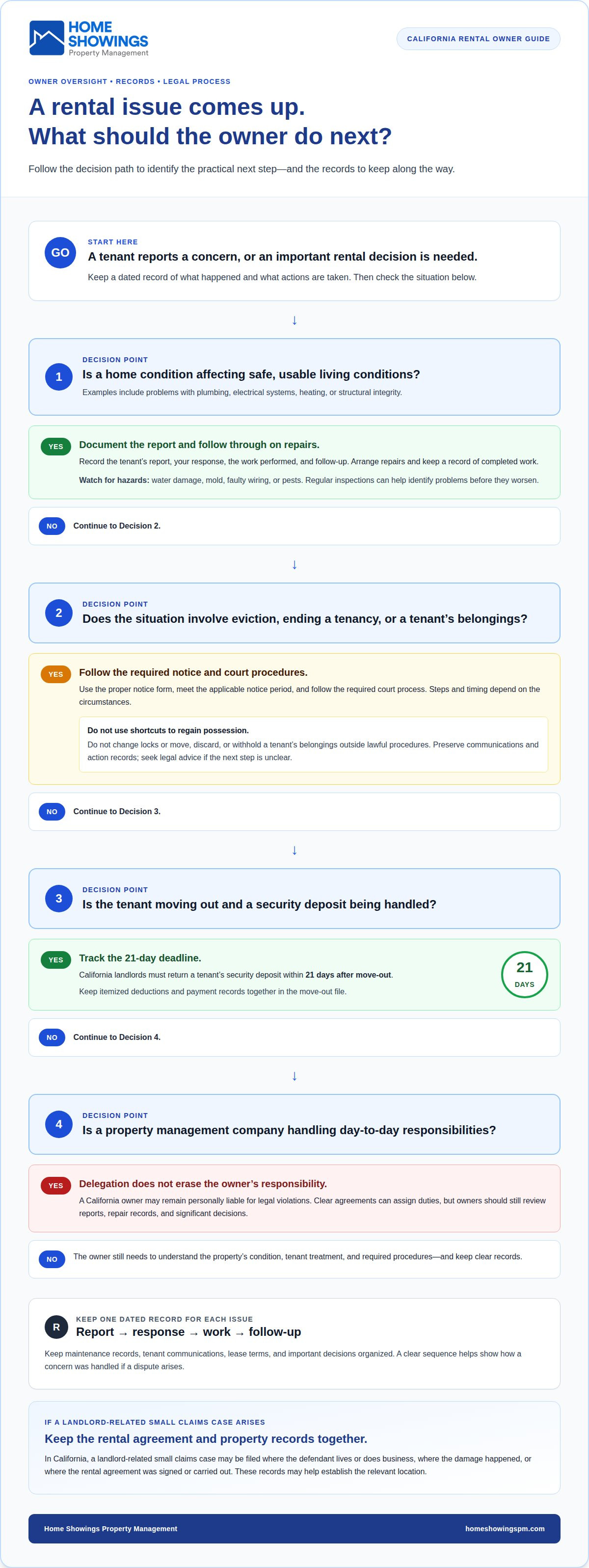
Yes. A California property owner may remain personally liable for legal violations even when a management company manages rental operations. Delegating tasks does not erase responsibility for the property’s condition, tenant treatment, or required procedures. Clear agreements can assign duties, but owners should still review reports, repair records, and significant decisions.
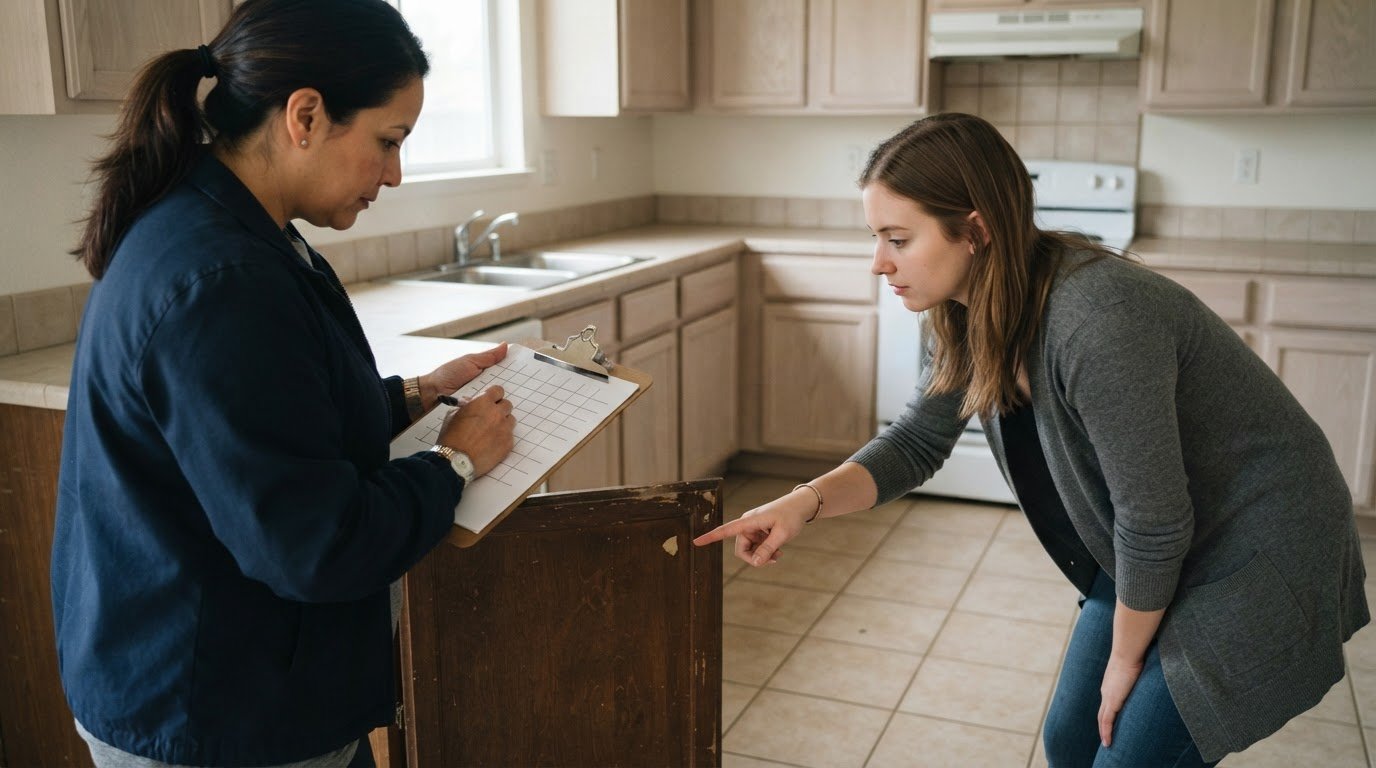
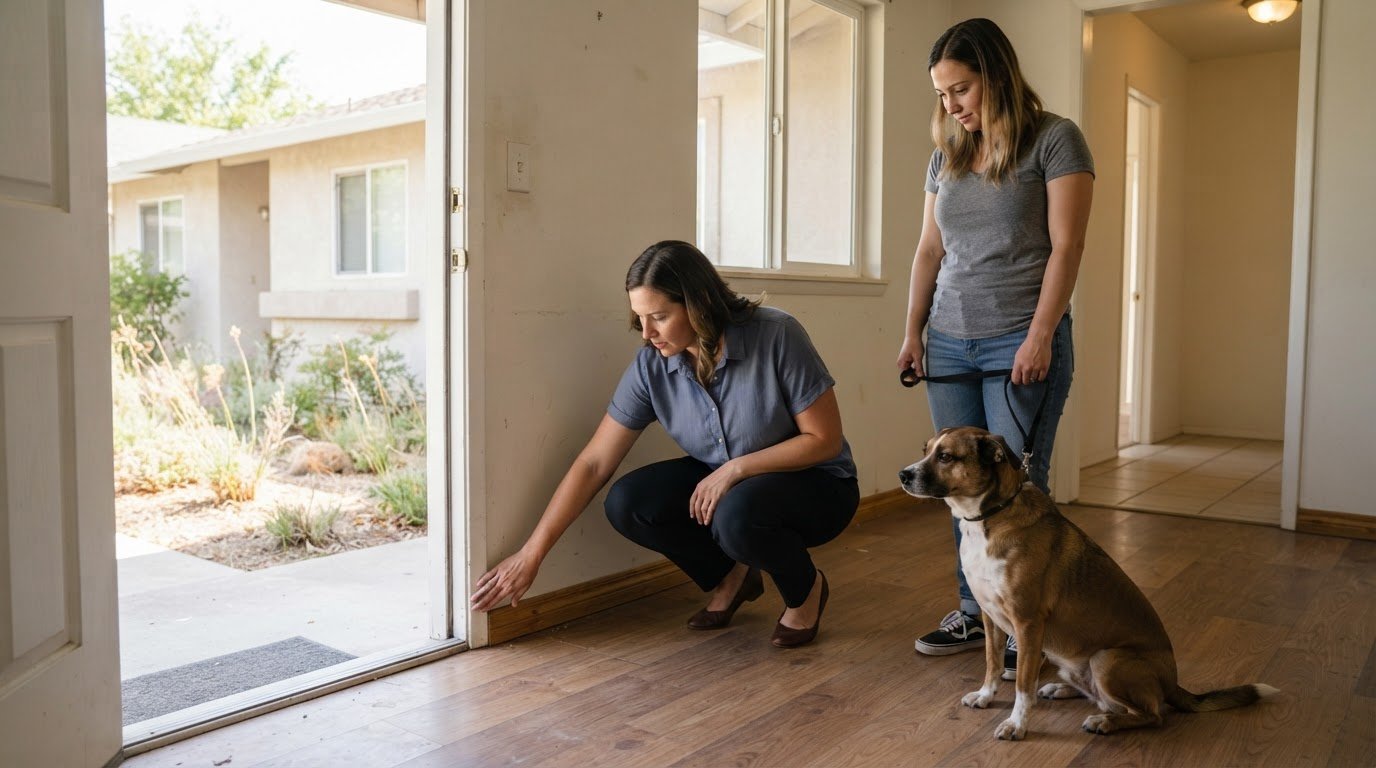
Habitability is a practical place to start. California landlords must address conditions that affect a home’s safe, usable condition, including problems with plumbing, electrical systems, heating, or structural integrity. If a tenant reports a leak, document the request, arrange repairs, and keep a record of the completed work. Regular inspections can also help identify hazards such as water damage, mold, faulty wiring, or pests before they worsen.
Keep a dated record for each maintenance issue: the tenant’s report, your response, work performed, and follow-up. This sequence helps show how a concern was handled if a dispute later arises. California landlords must return a tenant's security deposit within 21 days after move-out, according to the California Legislature. Keep the itemized deductions and payment records with the move-out file.
What notice and legal steps are required to evict a tenant in California? Landlords must use the proper notice form, meet the applicable notice period, and follow the required court procedures. Because the steps and timing depend on the circumstances, legal counsel can help prevent errors. Changing locks or removing belongings without following legal procedures can expose an owner to liability.
Handle a tenant’s personal property through lawful procedures, not by treating it as abandoned when eviction begins. Do not move, discard, or withhold belongings as a shortcut to possession. Follow the applicable notice and court process, preserve records of communications and actions, and seek legal advice if the next step is unclear. Careless handling of belongings can create additional disputes during an eviction.
Choosing the proper court location also matters. In California, a landlord-related small claims case may be filed where the defendant lives or does business, where the damage happened, or where the rental agreement was signed or carried out. Keep the agreement and property-related records together, since they may help establish the relevant location.
Property management can organize inspections, maintenance follow-through, and tenant communications, but it does not eliminate legal risk. Owners should understand who handles each task, review records, and consult a qualified attorney about eviction questions or disputes involving tenant property. Clear responsibilities support consistent decisions and a more complete record if a claim arises.
2. Fair housing and consistent tenant screening
The federal Fair Housing Act prohibits housing discrimination based on race, color, religion, sex, familial status, national origin, or disability. California protections also apply, including Government Code section 12955. A consistent screening process helps make decisions based on rental criteria rather than protected characteristics. Apply the same standards to each applicant, and retain records showing how each decision was made.
Set screening criteria before reviewing applications. Decide how you will assess rental history, income, employment, credit history, and references. Apply the criteria consistently, and record what information supports each approval or denial. If an application is incomplete, use the same follow-up process for every applicant. Do not let assumptions about a person’s background or family influence the decision.
Tenant screening can include credit, rental history, and character references. These checks may help assess whether an applicant meets stated requirements, but they should never lead to different treatment of applicants. Keep the application process, requested documents, review steps, and communications consistent. Clear records can help explain a decision if an applicant later raises a housing dispute.
Fair housing responsibilities continue after a lease is signed. Respond to tenant requests consistently, communicate decisions in writing, and document accommodation-related discussions without making assumptions about a disability. If a tenant reports discrimination, preserve relevant applications, messages, screening records, and lease documents. California and federal rights may apply to the same housing situation, so a dispute can involve more than one legal framework.
Some landlord-tenant disputes involving money can be brought in California small claims court. A landlord-related money damages claim cannot exceed $12,500 there. Examples may include a claim over unpaid amounts under a rental agreement or damage to property. Small claims handles money disputes; it is not a substitute for resolving every fair housing complaint or obtaining every type of court order.
Deadlines depend on the claim. A California small claims action over a broken written rental agreement must be filed within 4 years after the agreement was broken. For an oral rental agreement, the period is 2 years after the agreement was broken. A property-damage claim must be filed within 3 years after the damage occurred. These time limits describe those claim types, not every possible housing or discrimination claim.
For steadier documentation, use a repeatable tenant screening process that records criteria, application materials, and decisions. When a complaint involves discrimination, disputed rights, or a filing deadline, preserve the relevant records and get legal advice promptly. Consistent procedures help clarify what happened, while legal guidance can address questions that screening practices alone cannot resolve.
3. How often do landlord-tenant laws change?
California landlord-tenant laws typically undergo major state-level revisions every 1-3 years. Smaller changes and local ordinances can also affect rental practices between major revisions. Folsom landlords need a routine for reviewing current requirements, not just a lease template saved years ago. Changes can affect notices, payment procedures, tenant communications, and property rules. A dated compliance calendar helps connect each update to the forms and practices it may affect.
Smoking policies are one example of a lease term that deserves careful review. A written rental agreement prohibiting smoking may limit a landlord’s liability if a tenant is injured while smoking on the property. The clause should clearly state the rule and the areas it covers. Give tenants the same policy, and ensure that any response to a reported violation follows the agreement and applicable law. A lease term does not replace safe property practices or resolve every liability question.
Schedule regular reviews of California rental requirements and Folsom ordinances. Check whether updates affect screening, rent collection, entry procedures, repairs, or tenancy termination. Then identify which documents and routine steps need revision. For example, if a notice requirement changes, update the notice workflow and train anyone who prepares or serves notices. Record the change and the procedure adopted.
A practical compliance audit compares written policies with what happens at the rental property. Review a tenant file, maintenance requests, payment records, notices, and lease agreements. Look for mismatches, such as a policy promising one response while the records show another. Check that communications and follow-up actions are documented. An audit is useful only when its findings lead to a clear correction, an assigned responsibility, and a record of completion.
Tenant communication can reveal issues before they grow into larger disputes. If a tenant reports a repair concern or questions a payment, record the date, your response, and the next action. Save relevant emails, messages, and phone-call notes with the tenancy file. If a conversation changes an agreement, put the updated terms in writing and provide them to the tenant. Consistent records make it easier to establish what was said and what happened next.
Recordkeeping should also cover property rules and tenant belongings when a tenancy ends. Keep the signed agreement, notices, inspection notes, and communications together. If a tenant disputes a charge or a rule, those records can clarify the timeline and terms. Do not rely on memory or informal notes stored separately from the rental file.
Make the review repeatable: schedule law and lease reviews, document revisions, and check whether staff follow the updated process. This regular cycle keeps California compliance connected to daily rental practices, rather than treating legal updates as paperwork alone.
4. What's the first step in improving legal compliance for my rental properties?
Start by listing each rental, its current agreement, and the procedures used to manage it. Compare those documents and practices with California rental laws and applicable local ordinances. Municipalities may have rules that affect rental properties, so Folsom owners should include city requirements in their review. Record the date, item reviewed, and any action needed. This creates a practical starting point for keeping compliance current.
What are Folsom's rental property registration, inspection, and business license requirements? Local rules may depend on the property and its use, so review Folsom ordinances for applicable registration, inspection, and licensing provisions. Record which requirements apply to each property and any related deadlines in its compliance file.
What are California rules for security deposits, rent increases, and late fees? California law addresses all three, including security deposits under Civil Code section 1950.5 and rent limits under section 1947.12. Rent increases may also be affected by local ordinances, while late-fee terms should be clearly stated in the rental agreement.
Review the lease to make responsibilities clear before signing. Set out the rent amount, payment due dates, deposit terms, maintenance duties, pet policies, property rules, and renewal or termination terms. Explain how tenants should report repairs and how the owner will handle requests. Apply policies consistently across applicants and tenants, including people with disabilities, without assumptions or unequal treatment.
What disclosures must California landlords provide before and during a tenancy? Disclosures depend on the rental circumstances; for example, Civil Code section 1940.9 addresses shared utility arrangements. Explain any shared utility setup and identify how related charges are handled in the rental documents.
What rules govern entry, privacy, and notice for California rental properties? Civil Code section 1954 addresses landlord entry, and landlords must provide proper notice before entering. State the permitted process in written procedures, then document each entry’s purpose, notice, and completion.
Habitability belongs in the same compliance review. California Civil Code section 1941.1 covers rental-housing habitability requirements, while section 1942.4 restricts demanding or collecting rent under specified conditions. Check that plumbing, electrical systems, heating, and structural elements remain functional. If an inspection identifies a problem, assign repair handling, track the work, and retain the record.
Review California law and applicable Folsom rules whenever lease terms, property procedures, or tenant circumstances change. An arbitration clause may require the parties to resolve disputes through arbitration rather than court, but it should be considered carefully as part of the full agreement. A clear, current lease and a documented review process connect legal requirements with daily rental practices.
5. Costs of landlord lawsuits
A Folsom landlord guide to avoiding lawsuits should account for the full financial exposure, not just disputed rent or repair costs. The total depends on the dispute, the work needed to resolve it, and whether the matter proceeds beyond an initial claim. Thorough records can clarify the facts, though they cannot prevent every claim or expense.
California small claims court offers a route for some money disputes, with landlord-related claims capped at $12,500. Filing fees are $30 for claims under $1,500, $50 for claims from $1,500 to $5,000, and $75 for claims from $5,001 to $12,500. Those filing amounts are only one part of the cost picture. Time spent preparing documents, missed work, and efforts to resolve the dispute also affect the practical burden.
Security-deposit mistakes can create additional exposure. California security-deposit violations can result in penalties of up to twice the deposit amount, plus actual damages. For example, a tenant disputing deductions may challenge whether the amount was justified and properly documented. Keep move-in and move-out condition records, receipts, communications, and itemized deductions together. Clear evidence makes it easier to explain how the deposit was handled.
Fair housing disputes can also carry costs beyond the original rental decision. If an applicant alleges discrimination, preserve the application, screening criteria, decision notes, and communications. Compare the file with the process used for other applicants. Consistent records can help explain which criteria informed the decision; gaps or shifting explanations can make a dispute harder to address. Consult qualified legal counsel when a complaint raises discrimination or other legal issues.
Prevention starts with identifying recurring problems. Review maintenance logs for unresolved issues, lease files for inconsistent terms, and payment records for unexplained adjustments. An unanswered repair request or undocumented charge can become part of a larger disagreement. Addressing discrepancies early gives owners a chance to correct administrative errors before they escalate into formal claims.
Insurance is another part of financial planning. Landlords are advised to acquire comprehensive insurance policies and understand the coverage and exclusions that apply to their property. Insurance does not replace sound rental practices or legal advice, but it belongs in the same risk review as recordkeeping and maintenance. Keep policy documents with property records.
The practical takeaway from this Folsom landlord guide to avoiding lawsuits is to weigh prevention against the disruption of a dispute. Consistent records, fair housing practices, and timely attention to tenant concerns can reduce avoidable pitfalls. Review rent collection practices as part of a broader effort to keep payment records clear and consistent.
Home Showings Property Management
Home Showings Property Management brings key rental tasks together through property management, rental marketing, tenant screening, and rent collection. This support can help owners manage applications, payments, and day-to-day responsibilities with consistent processes. Organized records and clear workflows make it easier to track what happened and when. Property management does not replace legal advice for a specific dispute or eviction.
If you want support coordinating rental operations and keeping key steps organized, contact Home Showings Property Management to discuss your property management needs.
Turn careful ownership into a steady routine
This Folsom landlord guide to avoiding lawsuits is most useful when it becomes a regular management habit, not a document set aside after one read. Set a regular time to review how decisions are made, who handles each task, and where records are kept. Clear responsibilities make it easier to spot processes that need attention before concerns grow.
For owners balancing rental responsibilities with other commitments, structured support can make daily operations easier to oversee. Home Showings Property Management coordinates rental operations while keeping owners informed about decisions affecting their property. Owners in Folsom and surrounding Sacramento-area communities can take this practical next step toward a more organized approach, while seeking legal advice for specific disputes.
Contact Home Showings Property Management to discuss support for your rental property. A thoughtful process can help you move forward with greater clarity and confidence.
Frequently Asked Questions
Can I be held personally liable for property management mistakes?
Yes. An owner may face personal liability for legal violations even if another party handles daily rental tasks. For example, if a tenant reports a safety problem and the report never reaches the owner or repair team, the resulting record may raise questions about oversight. Keep responsibility assignments clear, review important property updates, and retain records showing how concerns were handled. A management arrangement does not erase an owner’s legal responsibilities.
How Can Landlords Protect Themselves Against Potential Lawsuits?
Build protection around clear records, consistent procedures, and careful handling of legal decisions. Keep personal and business assets separate; an LLC may provide landlords with limited personal liability. Maintain comprehensive insurance and keep policy information with property records. If you are considering an eviction, get qualified legal advice before serving notices or handling a tenant’s belongings. These steps help organize risk management, but they cannot prevent every dispute or claim.
How do I balance tenant satisfaction with legal protection?
Communicate respectfully while applying lease terms consistently. If a tenant reports a repair problem, acknowledge the request, explain the next step, and provide updates as work progresses. If the request involves a disability or another protected concern, avoid assumptions and document the discussion carefully. A calm, timely response can help maintain a constructive relationship, while written records show how the issue was addressed.
How often do landlord-tenant laws change?
Major California landlord-tenant law revisions typically occur every 1-3 years, while local ordinances can also affect rental practices. For owners in Folsom, keep a change log that connects each update to affected procedures. For example, a notice rule may require revising a form, staff workflow, or recordkeeping step. Review the log when updating leases or procedures, rather than relying on an old template.
What are the most common legal mistakes landlords make?
Common pitfalls include inconsistent screening, delayed responses to repair concerns, inaccurate deposit records, and eviction steps that bypass legal procedures. A small administrative gap can make a dispute harder to explain, such as missing documentation of a tenant’s written request or a charge without supporting records. Review files for these gaps and address them consistently. Consult qualified counsel about legal disputes or eviction decisions.
What's the first step in improving legal compliance for my rental properties?
Start by mapping one rental property’s process from application through move-out. Gather its lease, screening records, payment history, maintenance files, notices, and tenant communications. Then identify where the records or procedures do not match. For example, a lease may assign a maintenance responsibility that the operating process handles differently. Resolve the mismatch, document the revised procedure, and use the review to guide the next property audit.
What California landlord-tenant laws apply to rental properties in Folsom?
California requirements cover habitability, rent limits, security deposits, tenant entry, and tenancy termination, among other issues. Relevant provisions include Civil Code sections 1941.1, 1947.12, 1950.5, and 1954. Local ordinances may also affect rental properties in Folsom. The rules that matter depend on the issue and property circumstances, so organize records by topic and review local requirements alongside state law.
What fair housing and anti-discrimination laws must Folsom landlords follow?
Folsom landlords must follow federal and California fair housing protections. The federal Fair Housing Act protects against discrimination based on race, color, religion, sex, familial status, national origin, or disability; California Government Code section 12955 also addresses housing discrimination protections. Apply the same written screening criteria to each applicant and keep decision records. For a request involving disability or a discrimination complaint, document communications and handle the issue carefully.

Comments