
Sacramento Rental Property Inspection Checklist: The 2026 Landlord Guide
- Steven Lunetta
- 25 minutes ago
- 12 min read

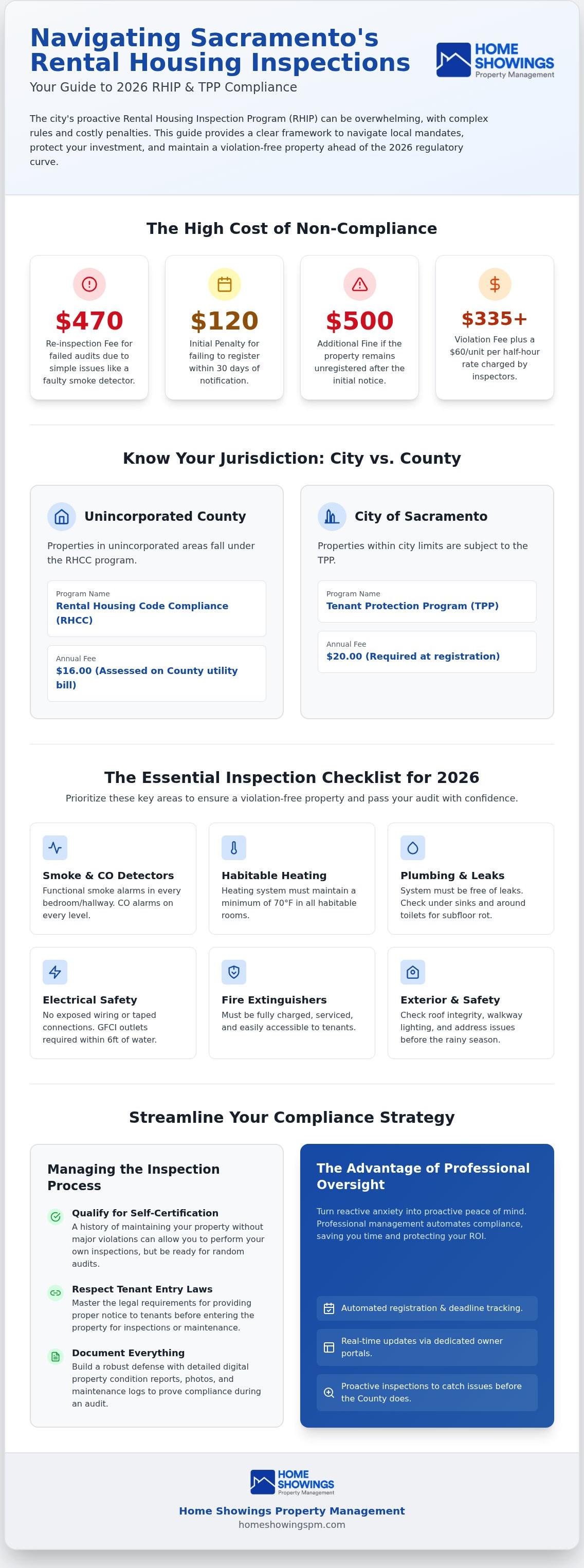
Imagine receiving a $470 re-inspection fee simply because a smoke detector was faulty or a window latch was loose during a surprise audit. For many local owners, this isn't just a "what-if" scenario; it's a costly reality of the city's proactive Rental Housing Inspection Program (RHIP). If you feel overwhelmed by the overlapping rules between Sacramento County requirements and the City's Tenant Protection Program, you aren't alone. It's stressful trying to respect your tenant's privacy while ensuring every square inch of your investment meets the latest 2026 standards. Using a reliable sacramento rental property inspection checklist is the most effective way to turn that anxiety into professional peace of mind.
This guide provides a comprehensive framework designed to help you navigate these local mandates with total confidence. You'll learn exactly what inspectors prioritize during an audit, how to handle mandatory registration fees like the $16 RHCC and $20 TPP charges, and the best ways to standardize your maintenance process. We'll walk through a step-by-step strategy to maintain a violation-free property, ensuring you protect your asset's value while staying ahead of the 2026 regulatory curve.
Table of Contents
Understanding the Sacramento Rental Housing Inspection Program (RHIP)
If you own rental property in the Sacramento area, you already know that staying compliant is a moving target. The 2026 landscape for the Rental Housing Inspection Program (RHIP) is designed to ensure safe living conditions, but for landlords, it often feels like a maze of paperwork and potential fines. Understanding which set of rules applies to your specific address is the first step in building an effective sacramento rental property inspection checklist. While the goal is property preservation, the administrative side requires a steady hand to avoid the $120 initial penalty for failing to register within 30 days of notification.
City of Sacramento vs. Unincorporated County Rules
One of the biggest points of confusion for local owners is determining whether their property sits within the City of Sacramento or the unincorporated County. This distinction isn't just about who picks up the trash; it dictates your annual fees and inspection frequency. For properties in unincorporated areas, you'll see a $16.00 Rental Housing Code Compliance (RHCC) fee assessed on your County utility bill. If your property is within City limits, you're looking at a $20 annual Tenant Protection Program (TPP) fee required at the time of registration. While some properties, like new construction under five years old, are exempt from the physical audit portion, they aren't exempt from registration. It's a structured process that mirrors the depth of a professional home inspection, focusing on health and safety standards that protect both your investment and your residents.
The Self-Certification Audit Process
If you have a history of maintaining your property without major code violations, you may qualify for the "Self-Certification" privilege. This allows you to perform your own inspections rather than waiting for a County official to walk the halls. It's a sign of trust from the County, but it isn't a "set it and forget it" pass. The Sacramento County Code Enforcement division operates a random audit lottery where self-certified properties are selected for review. If your property is chosen, you must provide documentation showing you've been using a rigorous sacramento rental property inspection checklist to maintain habitability.
The consequences of being unprepared are steep. Failing a follow-up inspection can trigger a $470 re-inspection fee, and if the property remains unregistered after the initial notice, you'll face a $500 fine. For units that remain in violation, inspectors can charge a $335 fee plus a $60 per-unit half-hour rate. These costs add up quickly, eating into your ROI before you've even addressed a single repair. By standardizing your approach now, you move from a reactive state of anxiety to a proactive state of controlled stability.
The Essential Interior Inspection Checklist for 2026
Moving beyond the paperwork, your physical sacramento rental property inspection checklist should prioritize life-safety items first. Inspectors are meticulous about smoke and carbon monoxide detectors. You need functional smoke alarms in every bedroom and the immediate hallway. Carbon monoxide alarms are required on every level of the home. Referencing a comprehensive landlord compliance guide helps you stay current on these specific placements. Don't forget fire extinguishers; they must be fully charged, serviced, and easily accessible to your tenants.
Habitability standards are the backbone of a successful audit. This includes ensuring your heating system can maintain a minimum temperature of 70 degrees in all habitable rooms during the winter. Plumbing must be free of leaks, and electrical systems shouldn't have exposed wiring or taped connections. If managing these technical details feels like a full-time job, you might benefit from professional property inspections to catch these issues before the County does. A proactive approach here prevents the steep $470 re-inspection fees that follow an initial failure.
Kitchen and Bath Safety Requirements
GFCI outlets are non-negotiable within six feet of water sources like sinks or tubs. Test these monthly to ensure the reset button functions correctly. Slow leaks under sinks or around toilets are the primary cause of subfloor rot and mold growth. During your walkthrough, check the caulking around tubs and showers. Proper ventilation is equally critical. If the bathroom fan isn't pulling air effectively, you're inviting moisture damage that can lead to expensive habitability claims later. Meticulous oversight in these high-moisture areas is the best way to preserve your property's structural integrity.
Living Areas and Bedrooms
Windows serve as vital safety exits. Every bedroom must have at least one window that opens easily and stays open without a prop. Check the locking mechanisms to ensure they're secure but can be operated from the inside without a key. When reviewing the condition of walls and flooring, it's vital to differentiate between tenant-caused damage and normal wear and tear. Meticulous documentation here protects your asset and ensures you're only charging for actual damage. Flooring must be free of trip hazards like loose carpet or buckling laminate, and ceilings should show no signs of water staining or sagging.
Exterior and Safety: Protecting Curb Appeal and Compliance
While interior safety is vital, the exterior of your property is what the Sacramento County Code Enforcement sees first. A solid sacramento rental property inspection checklist must account for the structural elements that protect your asset from the elements. Before the Sacramento rainy season hits, you should prioritize roof and gutter health. Clogged gutters lead to water intrusion, which quickly escalates into mold issues or foundation damage. Ensure downspouts direct water at least three feet away from the building to maintain soil stability and prevent seepage.
Landscaping and debris management aren't just about aesthetics; they're about fire safety and nuisance prevention. Overgrown vegetation can violate local ordinances and provide cover for unauthorized activity. Similarly, fencing and gates must be structurally sound. A leaning fence or a broken gate doesn't just look bad; it compromises the security and privacy you've promised your tenants. Keeping these areas tidy demonstrates that the property is under active, professional oversight.
Exterior Habitability Factors
If your property was built before 1978, checking for peeling or cracking paint is a critical safety step. Lead-based paint hazards remain a top priority for inspectors in older Sacramento neighborhoods. Beyond paint, examine the foundation for visible cracks that could indicate settling or structural shifts. Proper waste management is another habitability factor often overlooked. Trash receptacles should be stored in a designated, clean area to prevent pest infestations and keep the property in compliance with local health codes. Clear walkways are also essential to mitigate trip hazards and ensure safe passage for everyone on the premises.
Security and Entry Points
Security is a fundamental right for every tenant. California law requires specific deadbolt and lock standards for all rental entry points. Front and back doors must be able to lock from the inside without a key, and sliding doors need secondary locking mechanisms to prevent easy entry. Lighting plays a massive role here too. Common areas, walkways, and parking spots require minimum illumination levels to deter crime and ensure safety after dark. Finally, don't neglect garages or outbuildings. Even if these aren't habitable spaces, they must be secure and free of hazardous debris to pass a comprehensive sacramento rental property inspection checklist. Taking these steps creates a foundation of trust and safety that high-quality tenants value.
Managing the Inspection: Notices, Tenants, and Documentation
Knowing what's on your sacramento rental property inspection checklist is essential, but the way you execute the walkthrough is just as important for maintaining a positive tenant relationship. In California, you can't just show up at the door. You must provide a written notice at least 24 hours in advance, stating the date, time, and purpose of the entry. While many landlords rely on a casual text, a formal 'Notice to Enter' delivered via personal service or posted on the door is your best legal protection. If you choose to mail the notice, remember that state law requires you to add an extra six days to the lead time to account for delivery.
Communication is the key to a smooth visit. Reach out to your tenants early to explain that this is a standard safety review or a mandatory County audit. This proactive approach reduces anxiety and ensures the property is accessible when you arrive. If a tenant refuses entry for a scheduled RHIP inspection, remain calm and remind them that these audits are a legal requirement for housing compliance. Building a comprehensive 'Property Condition Report' with date-stamped photos and videos creates an undeniable record of the home's status. This documentation is your primary defense if a dispute arises over security deposits later.
The Legal Way to Give Notice
Proper delivery of the notice is non-negotiable. In Sacramento, the most reliable methods are handing the document directly to the tenant or posting it in a conspicuous place on the property. Coordinating with residents to find a mutually agreeable window can prevent confrontational situations. However, if a tenant remains uncooperative for a mandatory County audit, you may need to seek legal counsel or involve local code enforcement to fulfill your obligations. Documenting every attempt to gain entry is vital for your internal records.
Effective Documentation Strategies
A 'room-by-room' photo strategy is the gold standard for liability protection. Capture wide shots of every area, then focus on specific items from your sacramento rental property inspection checklist, such as smoke detectors, water heaters, and the undersides of sinks. Using digital checklists ensures you don't miss a single requirement during the walkthrough. These reports should be stored securely to ensure long-term landlord-tenant law compliance.
When you spot tenant-caused damage, document it immediately with clear visuals and notes. Avoid making accusations on the spot; instead, record the facts and address the repairs through the proper legal channels after the inspection. Leveraging tech-enabled owner portals allows you to upload these reports for permanent, easy-to-access storage. If the logistical weight of coordinating notices and documenting every detail feels overwhelming, our team at Home Showings Property Management can handle the entire inspection cycle for you, ensuring your assets stay protected and compliant.
Why Professional Oversight is the Ultimate Inspection Strategy
While a DIY sacramento rental property inspection checklist is a great starting point, there's a fundamental difference between bare-minimum compliance and true asset preservation. For many owners, the stress of tracking administrative deadlines and navigating the RHIP audit lottery can feel like a second full-time job. Moving from a self-managed approach to an investment-managed strategy allows you to step back from the logistics while ensuring your property remains a high-performing asset. Professional oversight provides a "boots-on-the-ground" advantage, identifying small issues like a slow-drip faucet or a loose roof shingle before they escalate into the expensive habitability claims discussed earlier.
Efficiency is the hallmark of a professional management system. We automate the administrative hurdles, ensuring that annual fees and registration requirements are met on time to avoid the significant non-registration penalties mentioned in previous sections. When an inspection reveals a need for repairs, we leverage a vetted vendor network to coordinate maintenance immediately. This ensures that work is done correctly the first time, meeting all local building codes and safety standards without you having to vet contractors or manage schedules yourself. It's about creating a foundation of controlled stability for your portfolio.
The Home Showings Property Management Inspection Process
Our team takes the lead on the Sacramento County RHIP audit on your behalf, handling everything from the initial tenant notice to the final walkthrough with Code Enforcement. We don't just check boxes; we provide a transparent window into your property's condition. You can access real-time, date-stamped reports and high-resolution photos through our secure owner portal at any time. This tech-enabled approach turns standard inspection findings into a proactive maintenance roadmap, helping you prioritize improvements that drive long-term ROI and protect your property's structural integrity for years to come.
Reducing Vacancy Through Better Maintenance
There's a direct link between a well-maintained home and tenant satisfaction. When residents see that their safety and comfort are priorities, they're far more likely to renew their leases, reducing the high costs associated with turnover. Furthermore, a property that consistently passes a sacramento rental property inspection checklist with flying colors is much easier to represent in better marketing campaigns. High-quality tenants are looking for professional management and meticulously cared-for spaces. By maintaining the "ceiling" of property standards rather than just the "floor" of compliance, you attract the best residents in the Sacramento market. Ready to experience the peace of mind that comes with expert oversight? Schedule your professional property assessment today and let us handle the details.
Securing Your Property’s Future in Sacramento
Staying ahead of Sacramento's evolving rental regulations doesn't have to be a source of constant stress. By mastering the distinction between City and County requirements and utilizing a robust sacramento rental property inspection checklist, you've already taken the most important step toward protecting your asset. Whether it's verifying smoke detector placement or documenting the property’s condition to prevent security deposit disputes, your commitment to these details ensures long-term stability and tenant satisfaction. Proactive maintenance is always more cost-effective than reactive repairs after a failed audit.
If the administrative burden of registration fees and the logistics of 24-hour notices feel overwhelming, remember that you don't have to manage it alone. Our team provides the deep expertise in Sacramento and Elk Grove local ordinances needed to keep you compliant and worry-free. Through regular, documented property inspections and direct communication via our digital owner portals, we ensure every detail is managed with precision. You can Protect Your Investment with Professional Sacramento Property Management and shift your focus back to the big picture. We're here to help you turn compliance into a lasting competitive advantage.
Frequently Asked Questions
What is the Sacramento Rental Housing Inspection Program (RHIP)?
The RHIP is a proactive code enforcement program designed to ensure all rental housing meets health and safety standards. Instead of waiting for tenant complaints, the County schedules periodic audits to verify that properties are safe for residents. This program is mandatory for residential rental properties in unincorporated Sacramento County, requiring owners to register their units and pay annual compliance fees to stay in good standing.
How often does Sacramento County conduct rental inspections?
Inspections typically occur once every few years, but the exact frequency depends on your property's compliance history. If your property is well-maintained and you have no history of major violations, you might qualify for the self-certification program. However, even self-certified properties are subject to a random audit lottery conducted by the County's Code Enforcement division to ensure standards remain high across the board.
Can I perform my own rental property inspection in Sacramento?
Yes, you can perform your own walkthrough if you qualify for the County's Self-Certification program. To maintain this status, you must keep a detailed sacramento rental property inspection checklist and ensure all safety standards are met. If your property is selected for a random audit, you must provide documentation proving you've conducted these regular checks and corrected any habitability issues internally.
What happens if my rental property fails a County audit?
If your property fails, you'll receive a list of violations that must be corrected within a specific timeframe. Failing to make these corrections before the follow-up visit results in a $470 re-inspection fee. Continued non-compliance can lead to administrative penalties ranging from $100 to $1,000 per day. It's much more cost-effective to address repairs immediately than to face these escalating government fines.
How much notice must I give a tenant before an inspection in California?
California law requires you to provide at least 24 hours of written notice before entering a rental unit for an inspection. The notice must include the date, approximate time, and the purpose of the entry. For County-mandated RHIP inspections, the County usually sends a letter at least 14 days in advance. This gives you plenty of time to coordinate a smooth visit with your residents.
Is there an exemption for new construction in the Sacramento RHIP?
Yes, new construction properties are generally exempt from the physical inspection portion of the program for the first five years. However, this doesn't mean you're exempt from the registration requirement. You must still register the property with the County and pay the annual program fees. This ensures your property is correctly categorized in the County's system as it eventually transitions into the standard audit cycle.
Do I need a separate registration for each rental parcel I own?
Yes, each separate parcel or property address must be registered independently with the County. This ensures that the Code Enforcement division has accurate records for every rental unit under their jurisdiction. Failing to register a property within 30 days of notification can trigger an initial $120 administrative penalty. If the property remains unregistered after that, the fine increases to a $500 continuing violation penalty.
What are the most common violations found during Sacramento rental audits?
Most violations involve safety essentials like missing or non-functional smoke and carbon monoxide detectors. Other common issues include leaky plumbing, lack of proper window egress in bedrooms, and faulty GFCI outlets in kitchens or bathrooms. Using a standardized sacramento rental property inspection checklist helps you catch these common pitfalls before the official inspector arrives. This proactive approach saves you both time and the stress of a failed audit.


Comments